Choosing Between Drip and Sprinkler Irrigation in McKinney Yards
Make Every Drop Count in Your McKinney Yard
Water in North Texas is too valuable to waste. With hot summers, rising water costs, and local watering rules, the way your yard gets watered can make a big difference in how your lawn looks and what you pay each month. The right irrigation system keeps your grass green, your plants healthy, and your water bill under control.
For most McKinney homes and businesses, the choice usually comes down to two main options: either spray sprinkler systems or drip irrigation systems. Both can do a good job, but they work very differently. When they are used in the right spots and set up the right way, you get better results with less water.
In this post, we will walk through when sprinklers are the best choice, when drip irrigation installation in McKinney makes more sense, and why many yards do best with a mix of both. We will also talk about how local conditions around Collin and Denton counties affect your irrigation design.
How McKinney Climate Shapes Your Irrigation Needs
Our area deals with long stretches of sun and heat, along with periods of little rainfall. Watering limits can come and go, and that means every zone in your system needs to be as efficient as possible. If your system is wasting water, it shows up fast in dry spots, runoff, and higher bills.
McKinney soils are often heavy on clay. That type of soil does not soak up water quickly. When sprinklers run too long in one spot, the water can start to pool, then run off onto sidewalks and streets instead of soaking down to the roots.
A strong design looks at:
- Sun vs shade in each part of the yard
- Flat spots vs slopes and low areas
- Turf areas vs beds, trees, and shrubs
- Wind exposure in open corners or along fences
Sunny front lawns with open space usually do well with sprinkler zones. Shadier areas, tight side yards, or plant beds close to the house often respond better to drip. Spring is a smart time to review all of this, before heavy irrigation cycles start and plants hit their main growing season.
Your plants matter too. Thick turf needs even coverage across wide areas. Flower beds, groundcovers, and shrubs prefer slower, deeper watering. Trees, especially young ones, benefit from water focused around their root zones instead of light, shallow sprays.
Sprinkler Systems for Lawns and Large Areas
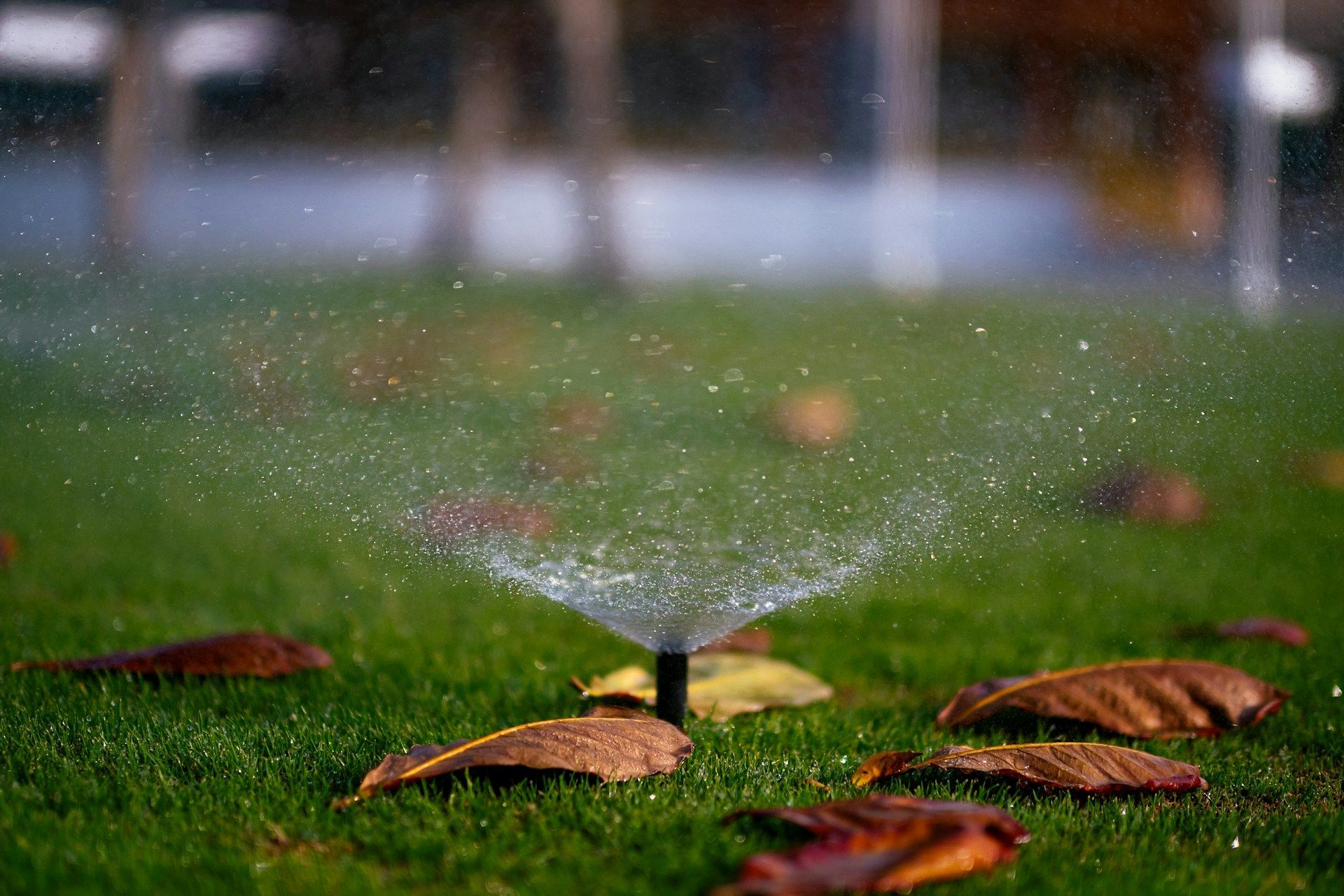
Traditional spray and rotor sprinklers are often the best option for big, open turf. When we are dealing with front lawns, backyards with plenty of room, commercial lawns, or sports-type areas, overhead coverage can give good results.
Sprinkler systems shine in spots like:
- Large, open front or back lawns
- Wide commercial turf and common areas
- Play spaces where even grass coverage matters
- Simple, rectangular or rounded lawn shapes
Some of the main benefits of sprinklers include quick coverage of large spaces and flexible zoning. We can design zones based on sun, shade, plant type, and water pressure, then set run times that work well for each one. Installation on open turf can often be completed more quickly than detailed drip layouts in tight planting beds.
Modern controllers also help with efficiency. When we pair sprinklers with smart controllers and rain sensors, the system can skip cycles after rain, adjust run times, and fine-tune watering schedules for different parts of the yard.
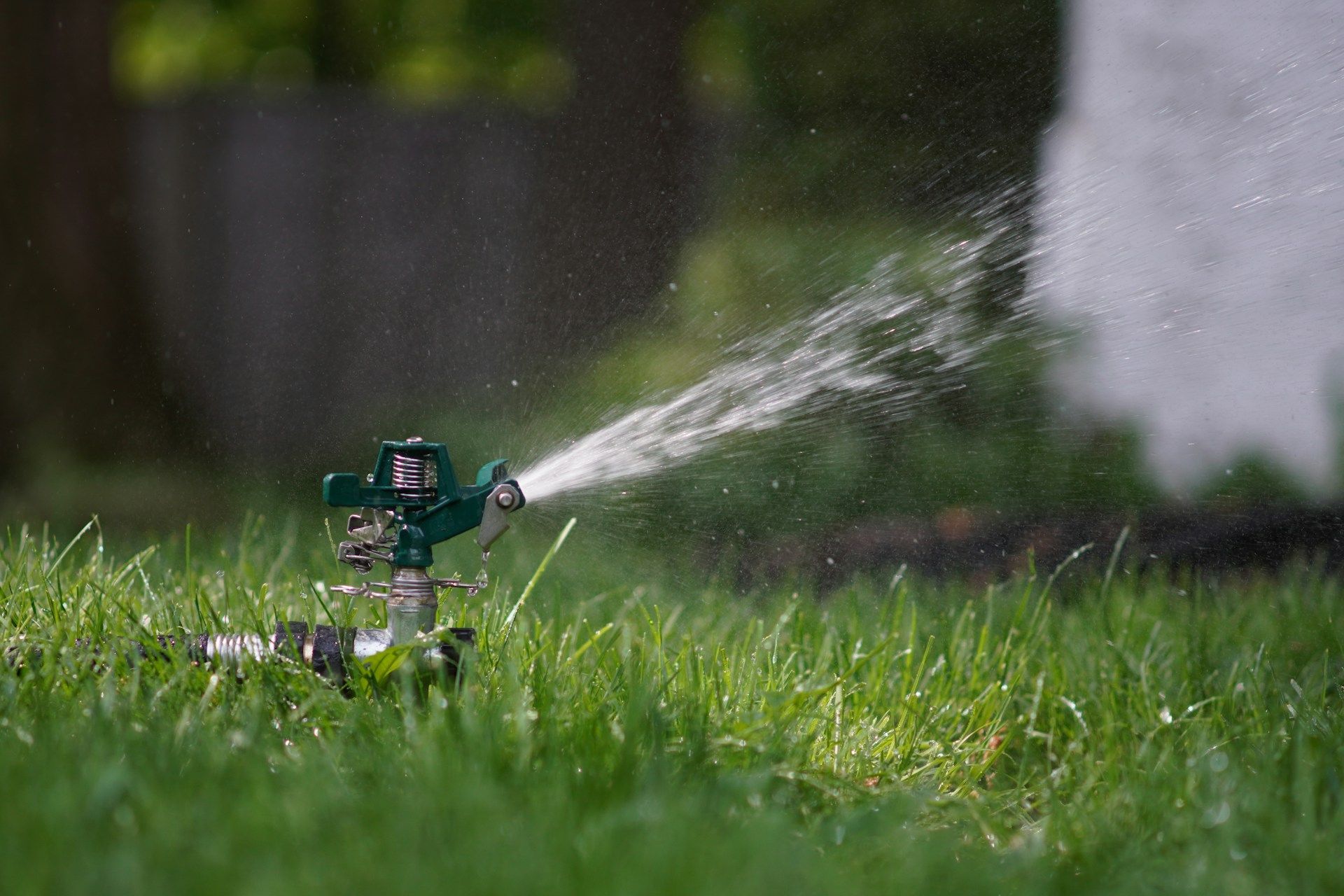
There are tradeoffs. Overhead spray loses more water to evaporation in the summer heat. Wind can blow fine spray off target, leading to dry patches and wasted water. If a system is not designed or maintained well, you might see overspray onto:
- Sidewalks and driveways
- Streets and curbs
- Fences and walls
That is why regular checks of nozzles, head heights, and spray patterns matter so much for sprinkler zones.
When Drip Irrigation Delivers Better Results
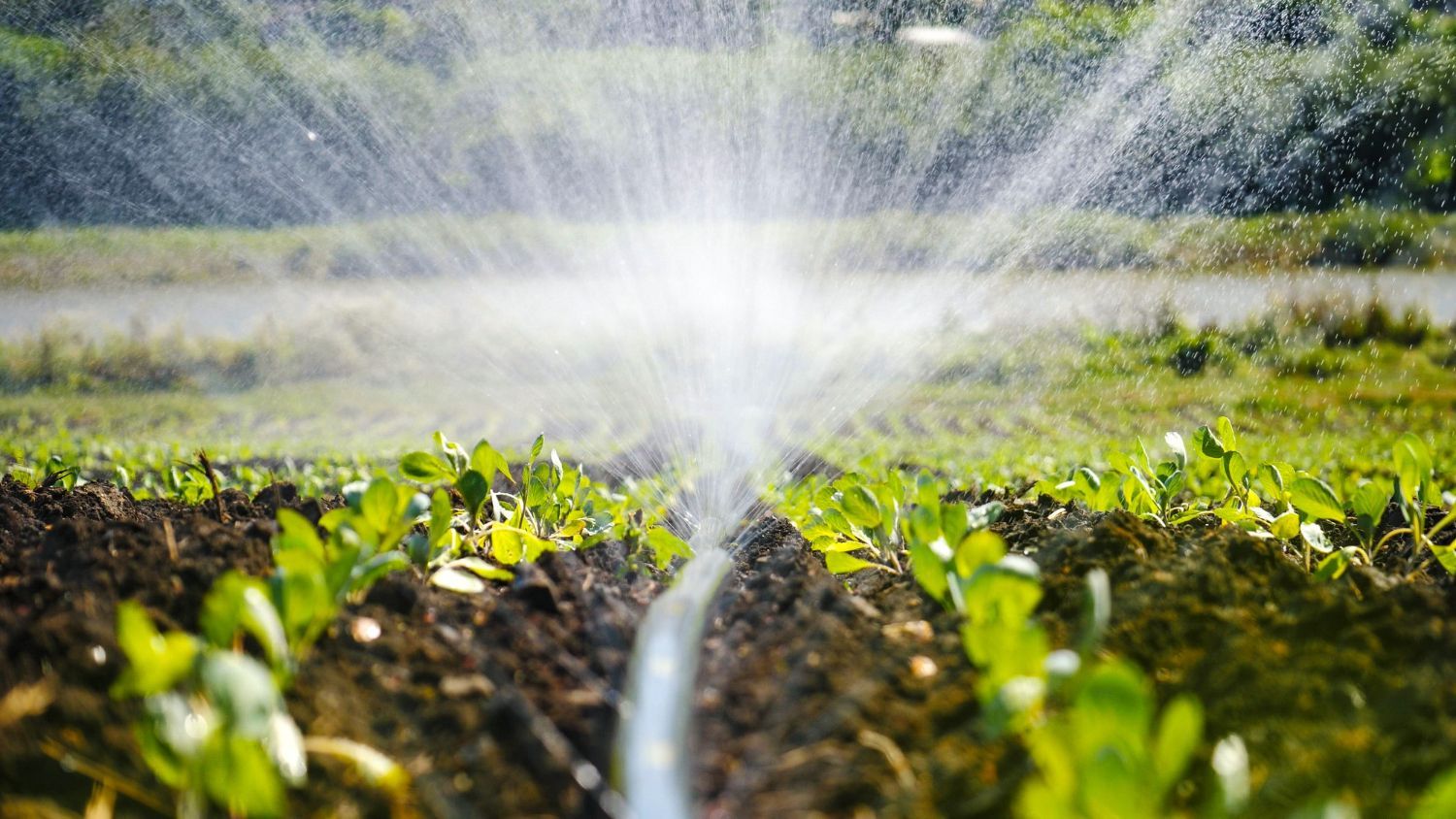
Drip irrigation installation in McKinney can be a big upgrade for many areas of a landscape, especially around the house and in planting beds. Instead of spraying water into the air, drip sends water slowly and directly to the root zone through tubing and emitters.
Drip irrigation works especially well for:
- Flower beds and shrub borders
- Foundation plantings along the house
- Vegetable gardens and herb beds
- Trees and large shrubs
- Narrow or irregular spaces where spray would hit hardscape
Because drip releases water slowly at the soil level, you see much less evaporation and overspray. The water has more time to soak into our clay soils, which helps reduce runoff. Plants get deeper watering right where they need it, and foliage stays drier, which can help limit some fungal issues.
Drip is also very good on slopes or compacted soil. Instead of water racing down the hill, the slower application rate gives the soil a chance to absorb more moisture. This often leads to healthier roots and more stable plants.
There are a few things to keep in mind with drip systems:
- They need filtration and pressure regulation to protect emitters
- Layout and emitter spacing should match plant size and spacing
- The lines should be checked from time to time for clogs or damage
- Poorly planned tubing can lead to tangled runs or dry gaps
Professional design and setup make a big difference. When the system is mapped out carefully, drip zones can be easy to live with and very efficient over time.
Drip vs Sprinklers: Costs, Maintenance, and Best Uses
Many McKinney properties do best with a mix of sprinkler and drip zones. Each type has strengths, and using both in the right places can help you save water and keep your landscape looking its best.
In general:
- Sprinklers are often more practical for large, open turf areas
- Drip can cut water use in beds, borders, and around trees
- A hybrid system can protect your landscape investment
- Good design can also support long-term property value
Both systems need care over time. With sprinklers, the most common tasks are fixing broken or sunken heads, cleaning or replacing nozzles, checking valves, and adjusting coverage after landscape changes. For drip, maintenance often includes flushing lines, checking emitters for clogs, repairing chewed or damaged tubing, and confirming that each plant area is getting the right amount of water.
If you are trying to decide quickly which way to go, a simple rule of thumb is:
- Use sprinklers for wide lawn spaces
- Use drip for beds, trees, and tight side yards
- Combine both for most residential properties in our area
That mix lets you match the watering method to the space, instead of trying to force one type to work everywhere.
Work with Local Pros to Design a Smarter System
Designing a smart irrigation system in McKinney means paying attention to water restrictions, soil, sun, plant types, and how you actually use your outdoor space. A quick walk-through by experienced eyes often uncovers hidden leaks, poor coverage, or zones that are simply not matched to what is growing there now.
At Fellows Irrigation Services, we focus on custom solutions that match Collin and Denton County conditions. We look at your existing setup, note where sprinklers make sense and where drip irrigation installation in McKinney beds would perform better, and design zones that work together. Along the way, we can talk about smart controllers, rain sensors, drainage needs, and how landscape lighting fits into your overall outdoor plan.
When sprinklers and drip are designed as one system instead of separate pieces, you get better control, better plant health, and better use of every gallon that runs through your meter. Spring is a great time to make those changes so your yard is ready before the longest, brightest days arrive.
Get Started With Your Project Today
If you are ready to save water while keeping your landscape healthy, our team is here to help design and install the right system for your property. Learn how our
drip irrigation installation in McKinney can improve efficiency, reduce runoff, and simplify your watering routine. At Fellows Irrigation Services, we tailor every project to your yard’s unique needs so you get reliable performance season after season. Have questions or want to schedule a visit? Just
contact us and we will walk you through the next steps.